
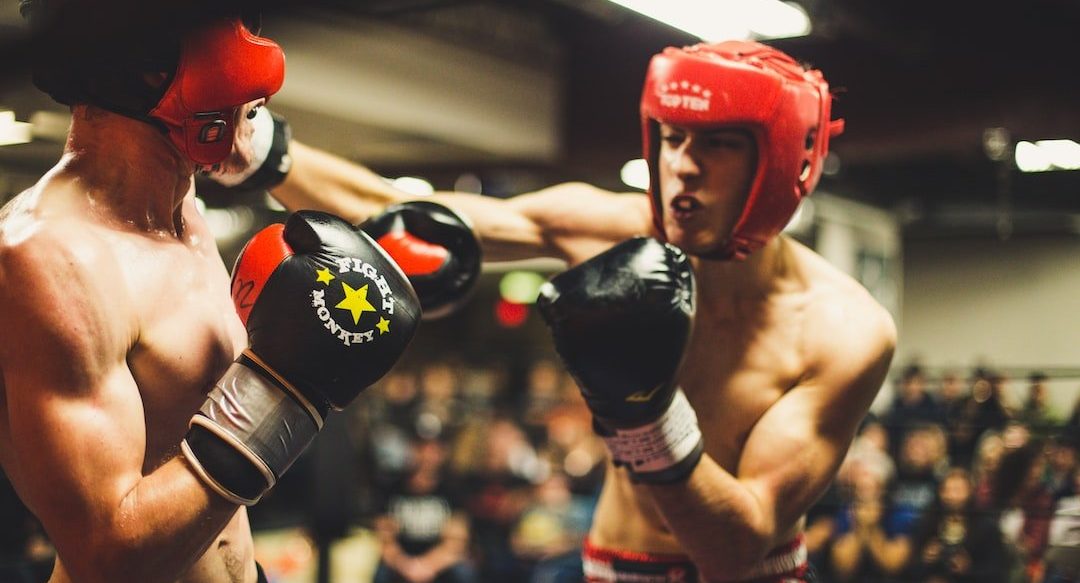
Full-contact muay thai is one of the most physically demanding sports on the planet. Every time a fighter steps into the ring, they’re not only testing their cardiovascular endurance and muscular strength, but putting their bodies on the line in the hopes of coming out victorious. As a result, injuries are commonplace during training and competitions. However, with the right knowledge and routines, you can significantly reduce the chances of getting hurt and enhance your recovery when injuries do occur. In this blog post, we’ll explore essential injury prevention and recovery tips and techniques for kickboxers, helping you stay in peak fighting shape.
Injury Prevention
There’s no such thing as ‘prehab’ until you get an injury, is a phrase often thrown around muay thai gyms. It is only when we receive an injury that we focus on recovery and healing the effected area. Instead, it is vital to turn your focus to injury prevention. Of course there are certain unpreventable injuries that can occur in muay thai (like concussions), however, every muscular and skeletal injury can be prevented with the right methods.
Proper Warm-Up and Stretching:
It’s such an obvious preventative, but so many of us still neglect a proper warm-up and stretch. Before every training session or competition, dedicate time to warm up your muscles and perform dynamic stretches. The key here is dynamic stretches, which involve controlled movements that loosen the joints and mimic the movements of your fight.
Oftentimes we will skip the warm-up and stretch if we are running late to a training session. However, it is far more beneficial to miss part of that session and persist through the warm-up and stretch than to ignore a proper warm-up in favour of more drilling and pad work.
Strength & Conditioning Training:
Many people see Strength & Conditioning as purely developing strength and endurance for your sport, however, S&C also incorporates one vital aspect of building a strong body – bullet-proofing your joints. In everyone of your S&C sessions, you should always incorporate exercises that strengthen your joints, most importantly your shoulders, knees, and ankles, which are the three most common joint injuries in muay thai.
Technique Over Speed:
Another seemingly obvious preventative measure that many people ignore. We all get a bit of ego sometimes and want to smash pads and drill as hard and as fast as we can. However, as any good coach will tell you, hitting mitts, a heavy bag, or even your sparring partner with poor form is far more likely to damage you than it is your opponent. Ensure your technique is perfect before investing your full speed and strength into your techniques, not only will this help you prevent injuries, but will also make you a much better fighter.
Protective Gear:
Again relating to our egos in the gym, especially in men, we can sometimes become cocky and feel like we don’t need proper protective gear (especially head guards). Sparring without proper protective gear is stupid, plain and simple with no way around it. Every punch you take to the head, whether at 10% or at full power does accumulative damage to your brain, potentially leading to future health issues like CTE. Some coaches are also under the delusional idea that you can condition your head. THIS IS A LIE.
Recovery Techniques
Dealing with injuries are a big part of life as a fighter. Even with the best prehab measures, sometimes injuries are unpreventable, be they small muscular pulls, or full on concussions. The most important thing to remember is not to rush your recovery. As desperate as you might be to train, it’s not worth risking your long term health and mobility for a couple of training sessions.
RICE Protocol:
Rest, Ice, Compression, and Elevation (RICE) is a standard protocol for managing minor injuries like sprains or bruises. Apply ice to the affected area, compress it, elevate it, and get plenty of rest to facilitate healing.
Physical Therapy:
If your injury persists after applying the RICE protocol and impairs your training and everyday life, consider working with a physical therapist. Not only can they provide (or refer you to) effective sports massages, they can also design a tailored rehabilitation program to help you regain strength and mobility.
Nutrition:
The famous phrase “you are what you eat” doesn’t just apply to building muscle and strength. In order to properly recover from injuries, your nutrition has to be on point. Make sure your meals are rich in protein for muscle recovery, and vitamins and minerals, especially Omega 3 which has anti-inflammatory properties and is excellent at encouraging speedy injury recovery.
Cross-Training:
Your injury may be specific to muay thai, for example a pulled groin that nags when you attempt head kicks. If this is the case, try cross-training, incorporating movements that still feel comfortable and don’t stress the injury. Whenever I receive injuries to my shoulders or upper body and can’t properly train, I take it as an opportunity to improve my cardio as much as possible with long-distance running that I previously wouldn’t have had the time for.
You must be logged in to post a comment.