
Since combat sports began, competitors have been incorporating long-distance running – often referred to as roadwork – into their training regimes to boost their cardiovascular fitness. However, it’s time to challenge the notion that running is the ultimate solution and provide some far more effective alternatives because, let’s face it, running is really boring.
The Limitations of Running

While running is undoubtedly effective for cardiovascular fitness, it may not be the optimal choice for martial artists aiming to excel in their craft. Here’s why:
- Specificity Matters: Martial arts competitions, no matter the discipline, demand repetitive bursts of high intensity. Running, though great for general endurance, does not mimic the dynamic and varied demands of fighting.
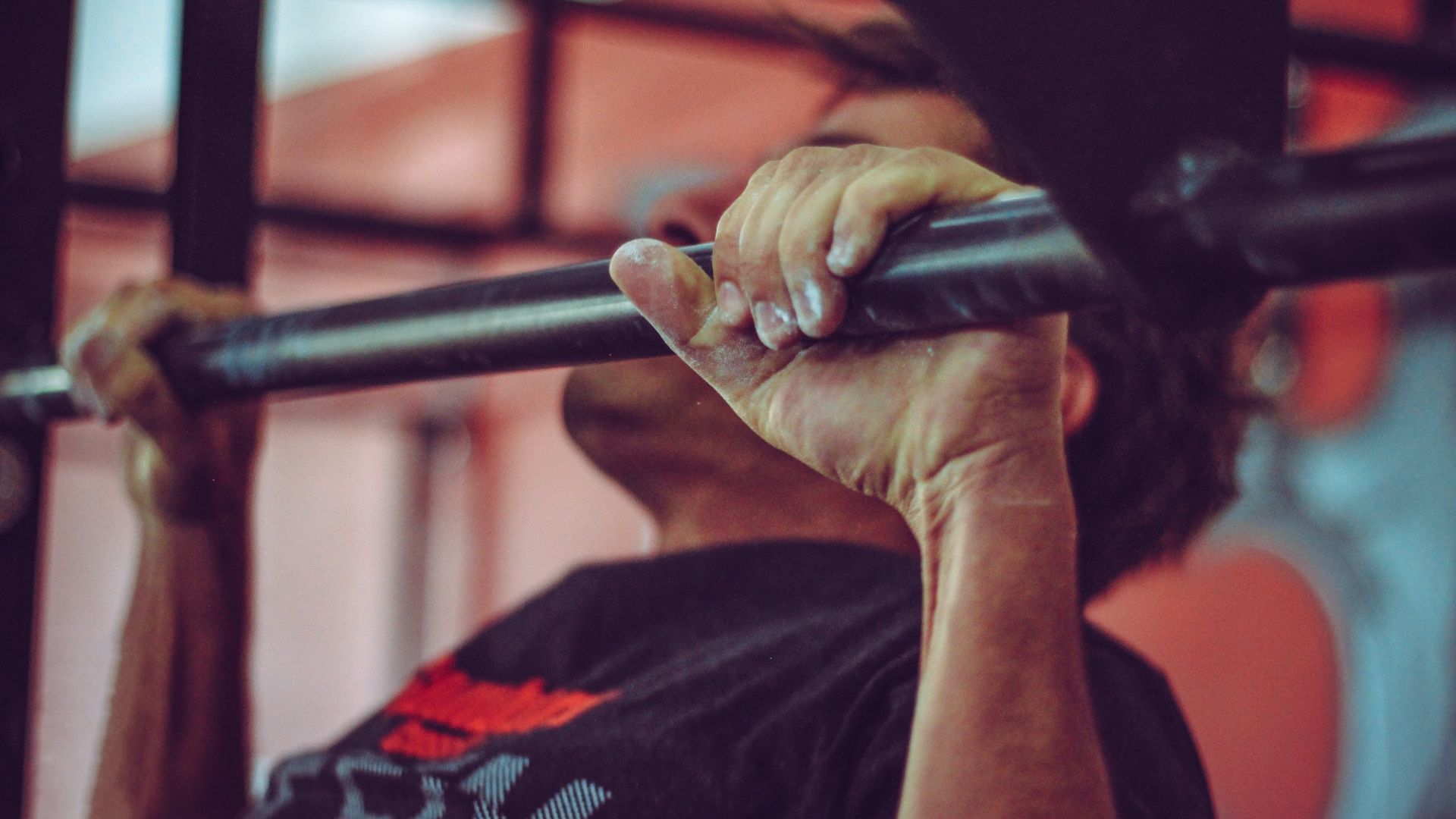
- Neglecting Muscular Engagement: Regardless of the discipline, any form of martial art utilises your entire muscular system. Running predominantly targets lower-body muscles, potentially neglecting the muscular endurance in your upper body, requiring further cardio training.
- Lack of Mental Stimulation: If you’ve ever been to a martial arts gym, you’ve undoubtedly heard the words “dig deep” being thrown around, referring to the mental resilience required to push through the exhausting training. Steady-state cardio like running, rarely pushes the mind to such limits as a fight, meaning a fighter may lack the mental resistance to push through the harder rounds..
Alternative Cardio for Martial Arts

To better prepare for the demands of martial arts competitions, consider incorporating these alternative cardio exercises into your training regimen:
- Shadow Boxing Intervals: Shadow boxing at varying intensities mimics the ebb and flow of a fight, working on both cardiovascular endurance and technique. Combining punches, kicks, takedowns, and footwork engages multiple muscle groups while keeping you mentally sharp, and mimics the stop/start nature of a fight.
- High-Intensity Interval Training (HIIT): HIIT involves short bursts of intense exercise followed by brief periods of rest. This mirrors the energy bursts required in martial arts bouts and helps build explosive power alongside cardiovascular stamina.
- Agility Drills: Set up agility ladders, cones, and hurdles to improve your footwork, coordination, and reaction time. Agility training closely mirrors the unpredictable movements in martial arts and can be a fun and effective cardio alternative.
Tailoring Cardio to Your Discipline

Different martial arts disciplines have distinct cardiovascular demands. Tailoring your cardio training to your specific discipline can make a significant difference in your performance:
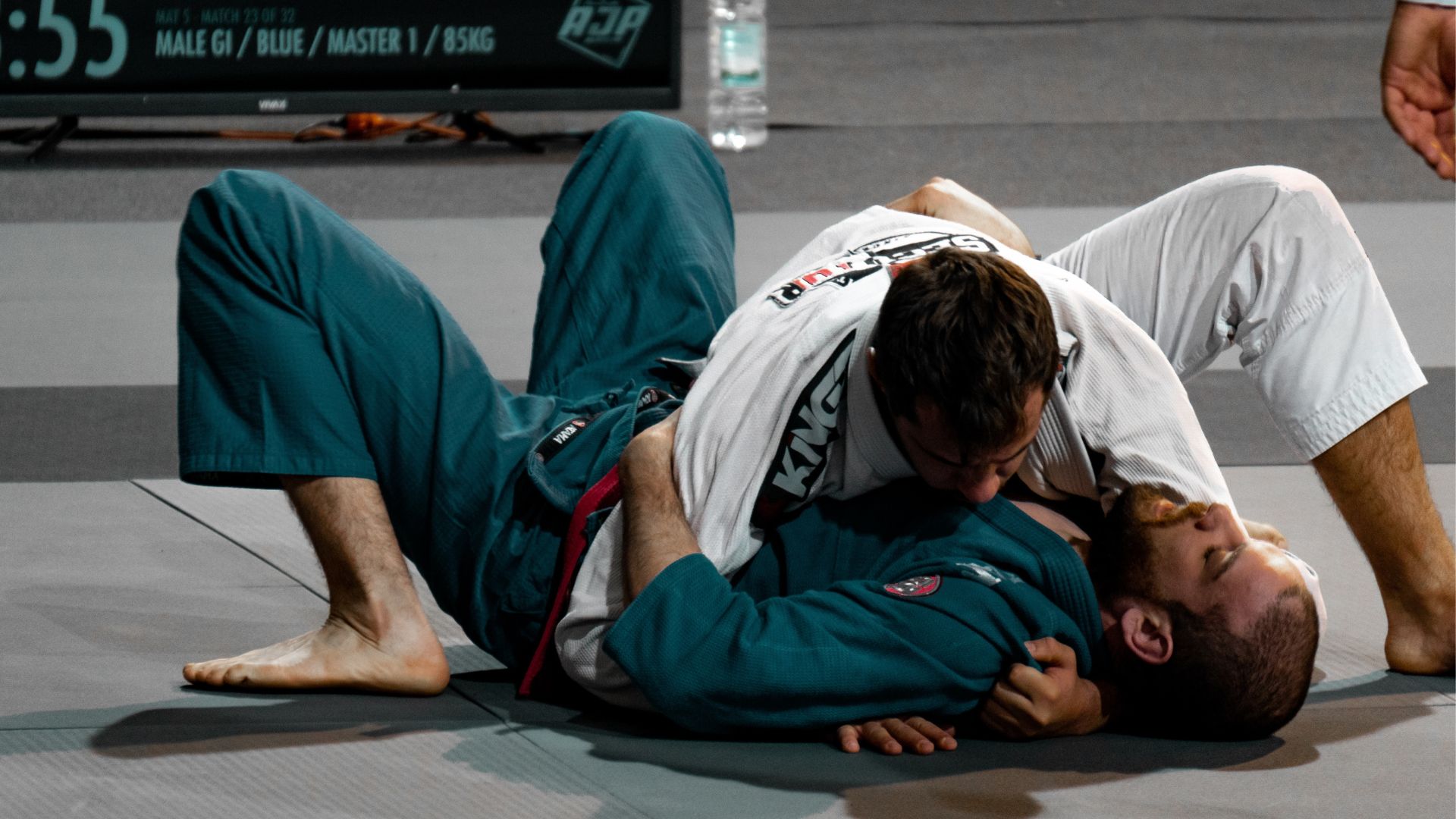
- Brazilian Jiu-Jitsu (BJJ): BJJ predominantly demands a high level of muscular endurance from its competitors, due to the extended isometric holds involved. Incorporate exercises like partner drills, grappling movements, and bodyweight exercises for a cardio workout that aligns with BJJ’s demands.
- Muay Thai: Muay Thai relies on explosive strikes and clinching. Implement bag work, pad drills, and short sprint intervals to simulate the energy demands of a Muay Thai match.
- Taekwondo: Taekwondo requires rapid kicks, jumps, and swift movements. Focus on plyometric exercises, jump kicks, and interval training to enhance your cardiovascular fitness in line with Taekwondo’s requirements.
Elevate Your Cardio Training
While running certainly has its benefits, it’s crucial for martial artists to broaden their cardio horizons. Diversifying your training with exercise alternatives that closely mimic the demands of your chosen discipline can enhance your overall performance and competition readiness. Embrace cardio exercises that engage multiple muscle groups, simulate combat scenarios, and keep you mentally sharp. By doing so, you’ll be better prepared to conquer your tournaments and reach new levels.






You must be logged in to post a comment.