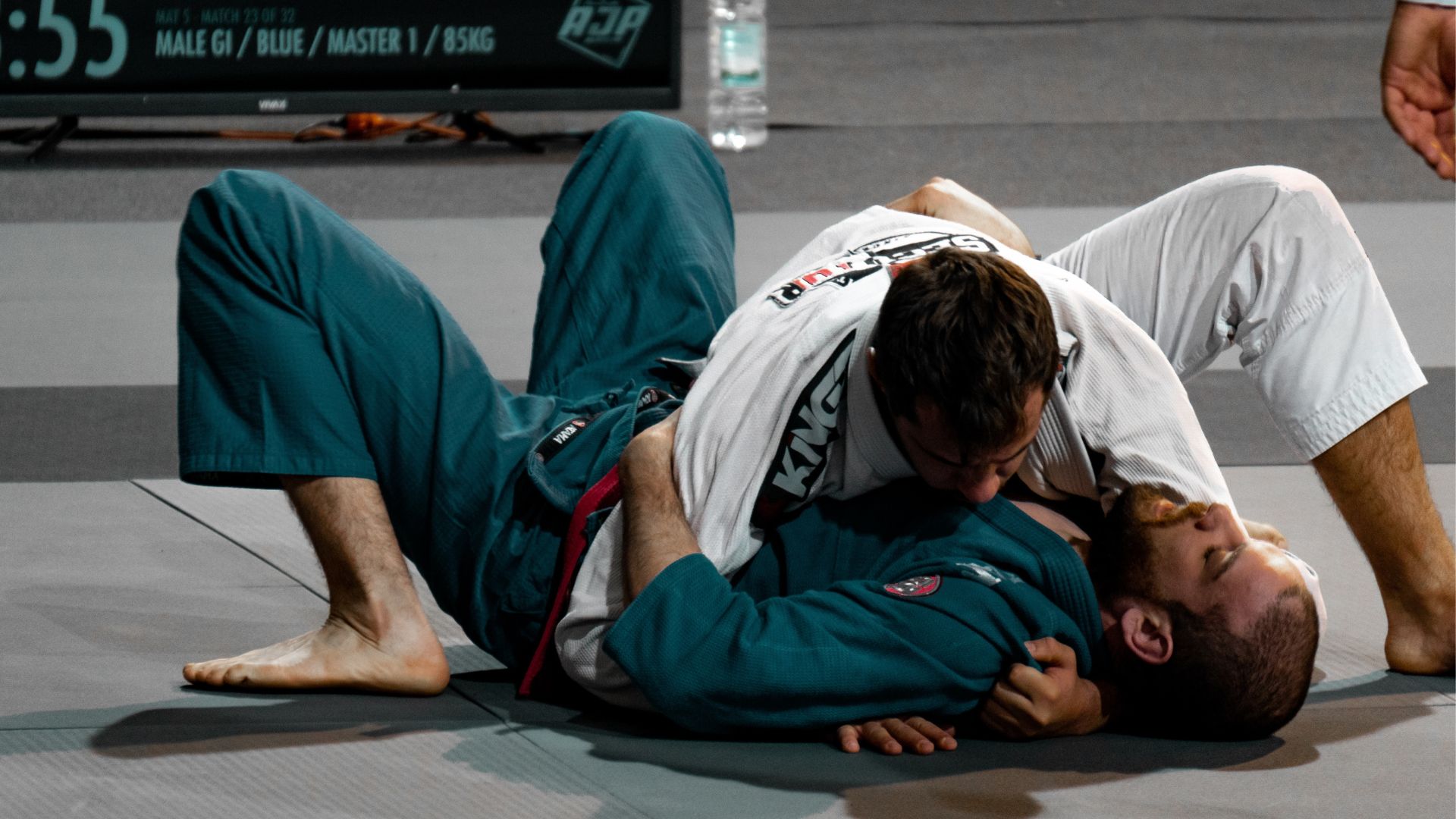


Often referred to as the ‘Gentle Art,’ Brazilian Jiu-Jitsu is the pinnacle of technique-based fighting. The sport emphasizes control over the opponent and carefully executing submissions, even at the highest levels.
That being said, the sport is still home to numerous techniques that are too dangerous to be practiced in the training room and in most major competitions. Just to emphasize, these aren’t ‘dangerous’ techniques as in the kind your overweight uncle claims he learned from an Aikido master when he was 11; these are BJJ techniques that are likely to cause serious, sometimes life-changing harm to your training partners and/or opponents.
Scissor Takedown
Also known as the Kami Basami in Judo, the scissor takedown is one of the most dangerous takedowns you can perform in a competition and is commonly banned across all major governing bodies. The takedown involves angling off to the side of your opponent, then raising your closest leg to sit on the inside of their waist and your back leg blocking behind their knee. As you drop to the floor, your momentum sends your opponent falling backward.
While they certainly look impressive, the leg blocking behind the knees often leads to major injuries, including broken bones and blown-out knees, as the opponent tries to step back in defence but gets their leg caught behind them as they fall.
Scissor takedowns are illegal in almost every BJJ ruleset, including IBJJF and ADCC.
Jumping Guard
If you’ve ever delved down the BJJ YouTube or Instagram rabbit hole, then you’ve almost certainly seen the John Danaher video discussing injuries in the training room. In the video, Danaher mentions how falling bodyweight is the NUMBER 1 cause of injuries in BJJ.
This also applies to the scissor takedown listed above, but more frequently, major injuries occur when one opponent decides to jump to guard from standing. This forces all of their bodyweight onto their standing opponent, who is then forced to control their weight as they drop down. Jumping Guard has caused some horrific injuries in tournaments, like knees being blown out of sockets as a result of falling bodyweight. Don’t jump to guard; shamefully sit to guard like the rest of us.
Finger Stretching
The rules on finger grabbing often confuse newcomers to the sport, but once explained, they make perfect sense from the perspective of injury prevention. Grabbing single fingers is very likely to result in broken fingers/hands, and as a result, BJJ practitioners are only allowed to clasp all four fingers at once.
Although, even with the grabbing of all four fingers, intentionally trying to bend the fingers to cause pain or to force a tap is illegal in most BJJ competitions. However, if you move your attack slightly further down the arm and target the wrist, wristlocks are allowed at most high-level competitions.
Spine Twisters
If you’ve watched much MMA, you might have seen the odd spine twister submission, most likely the appropriately named Twister. However, almost every spine lock, including those found in MMA and Catch Wrestling, is illegal in a lot of BJJ competitions, especially at the lower levels.
Thankfully, there haven’t been many high-profile injuries as a result of spine twisters; however, due to the life-threatening potential of an accident, many competitions and governing bodies still choose to exclude them from their rulesets.
Knee Reaps
Many other lists include heel hooks as one of the most dangerous submissions. While they certainly can cause damage, it is not the actual submission that causes the problem – with heel hooks now being a mainstay in modern BJJ – it is the reaping of the knee that occurs when the submission is forced.
This same pressure can be applied when reaping the knee after transitioning from single X guard to a back take. Many major tournaments will also make the distinction between allowing heel hooks and banning knee reaps as two separate moves.