Competing in martial arts competitions, regardless of the discipline, is one of the most physically and mentally demanding endeavours you will ever endure. After the highs of victory, or the lows of defeat, have subsided, it’s time to start thinking about your post-competition recovery, to get you back in the gym, and keep your career moving forward. In this article, we’ll explore essential strategies to help you recover effectively and get back in the ring or on the mat with optimal energy and focus.
Rest: The Foundation of Recovery
It’s not ground-breaking science that committing to a sensible period of rest after your competition is THE best way to recover, but it should still be the most vital aspect of your recovery program. There’s no point following all the other steps on this list if you’re under sleeping and going straight back in the gym three times a day, the day after your fight. Not only will this have detrimental effects on your training and future performances, it is also just incredibly bad for your long term health outside the ring. Quality sleep is paramount. Around 9% of adults get the recommended 8 hours of sleep per night, make sure you’re in that 9%. Here are some key factors to consider:
- Sleep Duration: Aim for at least 8 hours of sleep per night. Sleep is when your body repairs itself, and this is especially important after the physical and mental stress of competition.
- Sleep Quality: Ensure a comfortable and distraction-free sleep environment. Invest in a good mattress, keep the room dark, and maintain a cool temperature for optimal sleep quality. It is also recommended to avoid blue-light, like phone screens, for at least an hour before bed. Use that time to read a book, talk with your SO, or listen to a podcast before falling asleep,
- Listen to Your Body: Pay attention to how your body feels. If you’re extremely fatigued, allow yourself a short nap during the day to recharge. There’s no point stubbornly grinding through the day when you’re meant to be recovering.
Nutrition: Replenishing and Repairing
Proper nutrition is essential for recovery, and it plays a crucial role in helping your body repair and rebuild itself. While you should absolutely eat foods you enjoy after an eight week training camp before your fight, you should also incorporate foods rich in essential nutrients and minerals to promote recovery during the day, and while you sleep. Here’s what you need to focus on:
- Hydration: It’s so basic, but it’s also so overlooked. Priority one should be rehydrating your body. The intense physical activity involved in martial arts and kickboxing can lead to significant fluid loss. Drink plenty of water and consider adding electrolyte-rich drinks to restore the balance of essential minerals like salt in your body.
- Nutrient-Rich, Whole Foods: Consume a balanced diet with a focus on lean protein, complex carbohydrates, and healthy fats. Protein is crucial for muscle repair, and carbohydrates provide the energy needed for recovery.
- Supplements: Consider supplements like Omega-3 fatty acids which are anti-inflammatory and help heal bruises and injuries. Ensuring your body gets enough melatonin will also help improve your quality of sleep.
- Post-Competition Meal: Look, we’re not going to tell you to not go out clubbing, have fun, and binge eat four pizzas after a gruelling competition. After all, you’ve worked really hard. But just try and understand how it will make you feel the following morning, especially when you incorporate the exhaustion of your fights. We recommend having a well-balanced meal that includes protein and carbohydrates to kickstart the recovery process. A meal containing chicken or fish, along with brown rice or sweet potatoes, can be an excellent choice. Go to a nice restaurant, and enjoy a filling pasta dish with some form of good-quality meat. Carbonara isn’t a bad suggestion.
Massage & Therapy: Easing the Aches and Pains
The most irritating thing about the recovery process after a competition is the constant feeling of fatigue, and the muscle soreness. Massage and therapy can be incredibly beneficial for relieving muscle tension, promoting circulation, and speeding up the recovery process. Here are some options to consider:
- Sports Massage: A deep tissue massage performed by a trained therapist can help release muscle tension, reduce soreness, and improve flexibility. Also, if you happen to fall asleep during the massage, that’s even more rest.
- Ice Baths: They suck, but the benefits are incredible. After a tough competition, dig deep one more time and take an ice bath to reduce inflammation and soreness, helping you recover faster.
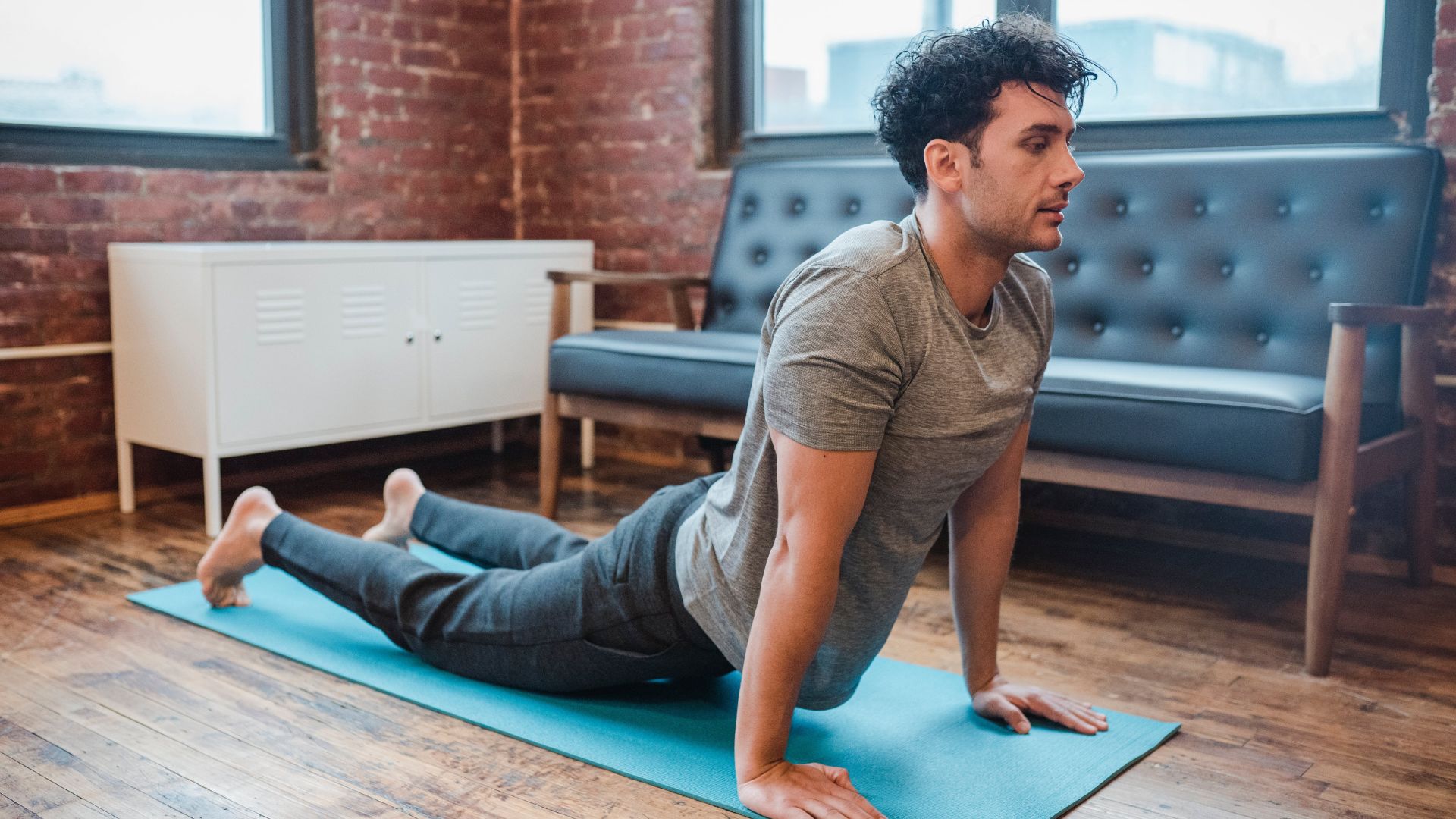
- Stretching: Incorporate regular stretching sessions into your post-competition routine to improve flexibility and prevent muscle stiffness. This could just be five minutes by yourself, or finally agreeing to go to a yoga class with that annoying training partner.
- Physical Therapy: If you have any injuries or persistent discomfort, consult a physical therapist who can provide specialized exercises and treatments to aid your recovery. NEVER just grit your teeth and continue through it, especially after a competition. This is your time to fully recover without the pressure of an upcoming tournament. Use it wisely and consult a physician about that knee problem.
Staying Active: Active Recovery Techniques
Sadly, rest doesn’t just mean laying down all day and watching Netflix. Staying active in a way that supports your recovery can also be incredibly beneficial beneficial, as it stops the muscles ceasing up from a sudden lack of use, which can, in turn, cause more injuries.. Here are some active recovery techniques for martial artists and kickboxers:
- Gentle Movement: Engage in low-intensity activities like walking, swimming, or yoga to keep your body mobile without putting additional strain on it.
- Foam Rolling: Self-myofascial release using a foam roller can help break up muscle knots and improve circulation.
- Light Drills: Perform light shadowboxing, technical drills, or bag work to maintain your skills without exerting too much effort.
- Mental Training: Engage in visualization exercises and mental training to keep your mind sharp and focused, even during your recovery period.
- Cross-Training: Consider cross-training in other sports or activities to give your body a break from the specific demands of martial arts or kickboxing.
Remember, recovery is not a one-size-fits-all process. It’s essential to listen to your body and adjust your post-competition recovery plan accordingly. Prioritizing your well-being will ensure that you’re in the best possible shape for your future martial arts and kickboxing endeavours, setting you up for success in your competitive journey.